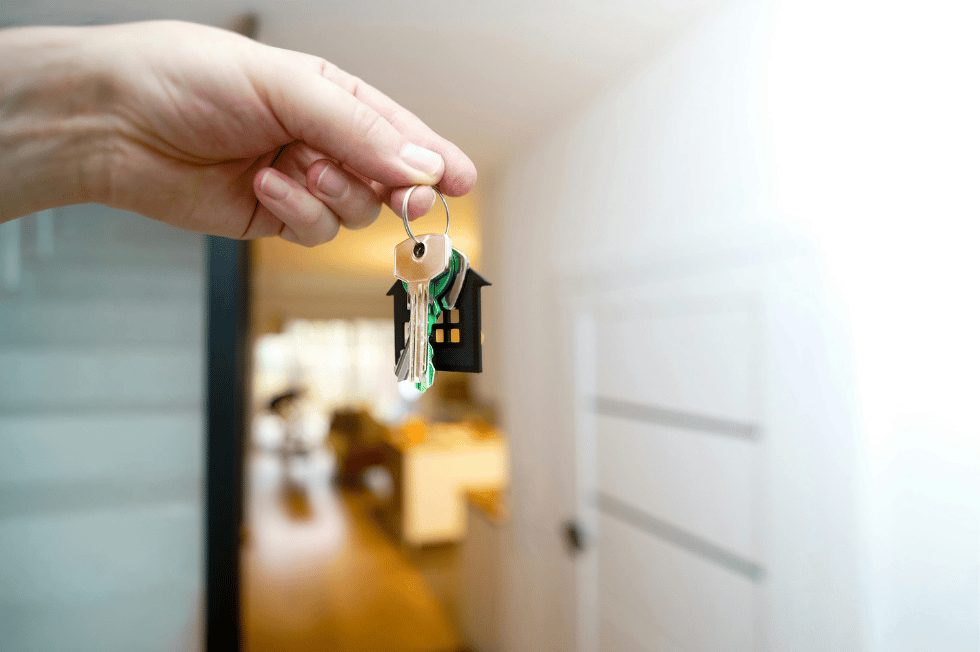
Owning your home provides lots of benefits to you and your family. You have a valuable asset that you can improve to help it grow in value. Being a homeowner gives you a sense of security and freedom because you don’t have a landlord. As a homeowner, multiple responsibilities fall on your shoulders, like maintenance and repairs. Below are 7 useful homeowner tips to take note of.
1) Homeowner Tips for Project Planning
Home improvement projects, repairs, or renovations can be very costly. Plan your projects carefully to keep them within your budget. It’s best to focus on one project at a time. Working on multiple projects simultaneously is stressful and gets expensive. Avoid
common DIY mistakes by planning thoroughly before starting any work.
2) Homeowner Tips for Important Documents
One of the simplest yet most important homeowner tips is to maintain a binder or file cabinet for all the documents and paperwork involving your home. Include your homeowners insurance documents, mortgage paperwork, receipts, warranties and manuals for appliances, and contact information of service providers and contractors.
3) Pay Attention to Your Home
Paying careful attention to your home will help you identify potential issues and monitor your energy usage. Check for
signs of serious home issues like leaks in faucets, pipes, and from the roof. Look for issues with the foundation of your home, including signs of leaking and flooding in the basement. Monitor your utility bill statements. Try energy-saving measures like using LED lightbulbs and turning down the water heater temperature to see lower energy bills. Catching
water damage early can save you thousands in repair costs.
4) Have a Complete Toolbox
A complete toolbox and toolset consist of hammer and nails, measuring tape, screwdriver and screws, adjustable wrench, ladder, electric drill, stud finder, saw, pliers, and more. Having these
essential tools on hand will help you when doing DIY projects and in making minor repairs on your own.
5) Homeowner Tips for Air Filters
Once you move into your new home, change the air filter immediately. Take note of that date on your calendar. Change the air filter every 30-90 days, more often when you experience allergies or have pets. A clean air filter
improves indoor air quality and helps your HVAC system functioning optimally.
6) Know Your Utility Lines
Know where your home’s water valve, gas line, and power line are located. Every adult in the household should know how to turn these utilities off in case of emergencies or before a long vacation. Doing this will significantly reduce any risks or chances of problems, especially while you are away. Before leaving for an extended trip, review our guide on how to
prepare your home for vacation.
7) Save Up for a Home Emergency Fund
Allocating funds for home emergencies is one of the smartest homeowner tips. Start saving up for your home emergency fund once you move into your home. This will relieve you from the stress of having to unexpectedly pay for emergency repairs and maintenance. Keeping up with
seasonal maintenance can help reduce the likelihood of unexpected expenses. According to the
Consumer Financial Protection Bureau, having an emergency fund is one of the most important steps toward financial stability.
Advanced Termite and Pest Control serves Eastern NC with
home inspection services.
Contact us to schedule an appointment.