Your roof does more than keep the rain out—it affects your home’s look, value, energy efficiency, and how much maintenance you’ll need to keep up with. If you’re planning a new build or replacing an old roof, knowing your options makes a big difference. Let’s break down the most common roofing materials in plain terms so you can make the right call for your home.
Asphalt Shingles
Asphalt shingles are by far the most popular roofing material in the U.S. They’re affordable, available in a range of colors, and easy to install. If you’re looking for a solid, reliable option that doesn’t break the bank, this is it.
Depending on quality and weather exposure, asphalt shingles usually last around 20 to 30 years. While they’re not the longest-lasting material out there, they’re easy to repair or replace in sections, which keeps maintenance simple. If your home doesn’t need a high-end roof but you still want a clean, finished look, asphalt gets the job done.
Metal Roofing Materials
Metal roofs are gaining popularity, especially in areas with harsh weather. They hold up well against wind, hail, and fire and reflect heat, which can help lower cooling bills. Metal can last 40 to 70 years and comes in panels or shingles that mimic wood, slate, or even asphalt.
It’s more expensive upfront than asphalt, but the lifespan often makes up for it. You’ll hear some folks mention noise when it rains, but with proper insulation, that’s not usually an issue. If you want something durable, energy-efficient, and modern-looking, metal is worth serious consideration. A quality roof is also one of the best ways to
increase your property value.
Clay and Concrete Tile
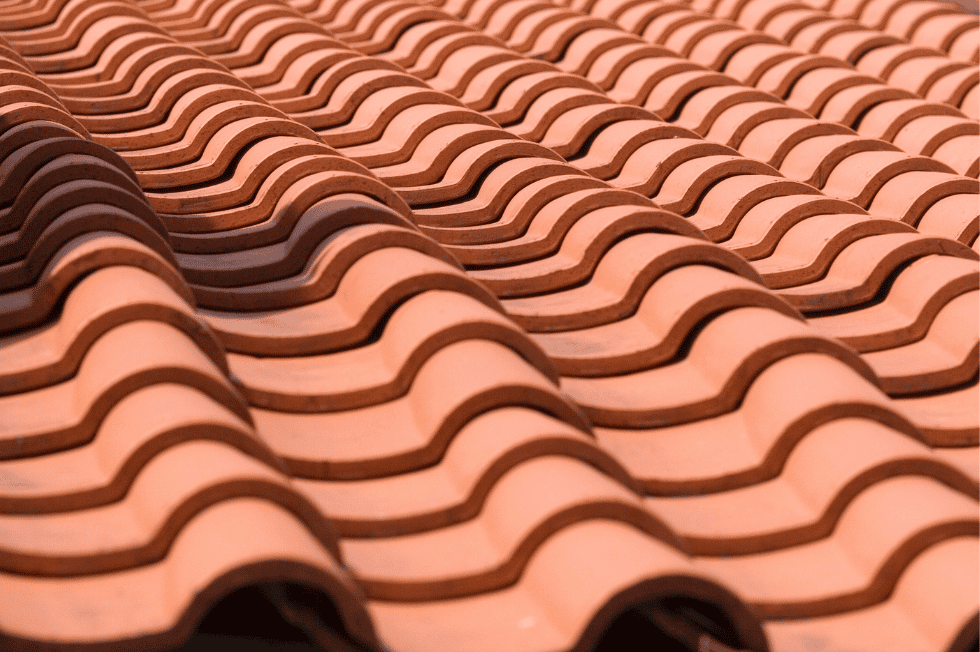
Clay tiles are known for their classic look, especially on Mediterranean-style homes. They’re heavy, durable, and fire-resistant, with a lifespan of 50 years or more. Concrete tiles offer a similar look at a slightly lower price, but they’re still heavy and may need extra roof support.
These materials don’t rot or attract pests and stand up well to sun and heat. But they can crack if walked on, and repairs can be tricky. If your home can handle the weight and you’re after that distinctive style, clay or concrete tiles will deliver. If you’re concerned about pest activity around roofing materials, learn how to
prevent pests from invading your home.
Wood Shingles and Shakes
Wood offers a natural, rustic look that works well in rural and upscale neighborhoods. Shingles are machine-cut and uniform, while shakes are hand-split and have more texture. Wood roofs typically last around 25 to 30 years with proper maintenance, but they require some care.
That includes regular cleaning, sealing, and watching for moss or
wood-destroying insect activity. Wood is not ideal for areas with high fire risk unless treated with fire retardant. Homeowners in fire-prone regions should also review their
home fire safety plan. But if you’re after curb appeal and are willing to maintain it, wood can make a strong visual impact.
Slate
Slate is one of the most durable roofing materials available. It’s made from natural stone and can last over 100 years. It resists fire, mold, and
water damage and is extremely low maintenance once installed.
But it’s heavy—heavier than clay or concrete—and installation is complex, which drives up the price. Slate is ideal if you want a lifetime roof and have the budget for it. It’s especially suited to historic or high-end homes. If you own an older property, it’s worth reviewing other
concerns in older homes that could affect your investment. The look is distinctive, and the performance is hard to beat.
Synthetic Roofing Materials
Synthetic roofing materials, like rubber, plastic, or polymer blends, are designed to mimic natural materials such as slate or wood without the same level of cost or maintenance. They’re lighter than the real thing and often easier to install. Many are made from recycled materials, and some are surprisingly tough when it comes to UV and impact resistance.
These products vary in quality, so it’s important to choose a reputable brand. Synthetics can be an innovative solution for homeowners who want style on a budget and less rigorous maintenance requirements. Before starting any roofing project, make sure you have the
essential tools every homeowner needs on hand.
Choosing the right roofing material is part style, part performance, and part budget. Understanding the pros and cons of each type helps you make a decision that protects your home and adds long-term value. Keeping up with
seasonal home maintenance will also help extend the life of your roof, no matter which material you choose. Watch for
signs of structural problems that could indicate your roof needs attention sooner rather than later.
FAQs on Roofing Materials
Which roofing material lasts the longest?
Slate is the top performer in longevity, often lasting 100 years or more. Metal also offers excellent lifespan, typically ranging from 40 to 70 years.
What’s the most budget-friendly roofing option?
Asphalt shingles are the most affordable choice, both in terms of material and installation. They don’t last as long as metal or tile, but they’re widely used because they balance cost and performance well.
Do I need to replace the whole roof if I have a few damaged shingles?
Not necessarily. If the damage is limited, you may only need a repair. A full replacement is only needed when the roof is near the end of its lifespan or if widespread damage has occurred. Avoid
common DIY mistakes when attempting roof repairs on your own.
Are metal roofs noisy during rainstorms?
That’s a common concern, but when installed with proper insulation and underlayment, most metal roofs are not noisier than any other type.
Can I install heavy roofing materials like slate or tile on any house?
No. Your home’s structure needs to support the weight. A roofing contractor can assess whether reinforcements are required or if a lighter material would be a better fit. A professional
home inspection can also evaluate the structural integrity of your roof system.
What’s the best material for hot climates?
Clay tile and metal roofing are both excellent for hot climates. They reflect heat well and help keep cooling costs down. Light-colored asphalt shingles can also perform well in hot regions if budget is a concern. According to the
U.S. Department of Energy, cool roofing materials can significantly reduce energy consumption in warm climates.
Advanced Termite and Home Inspections offers
home inspection services in Eastern NC.
Contact us to request an appointment.